
DIAMONDS
Understanding the 4Cs System
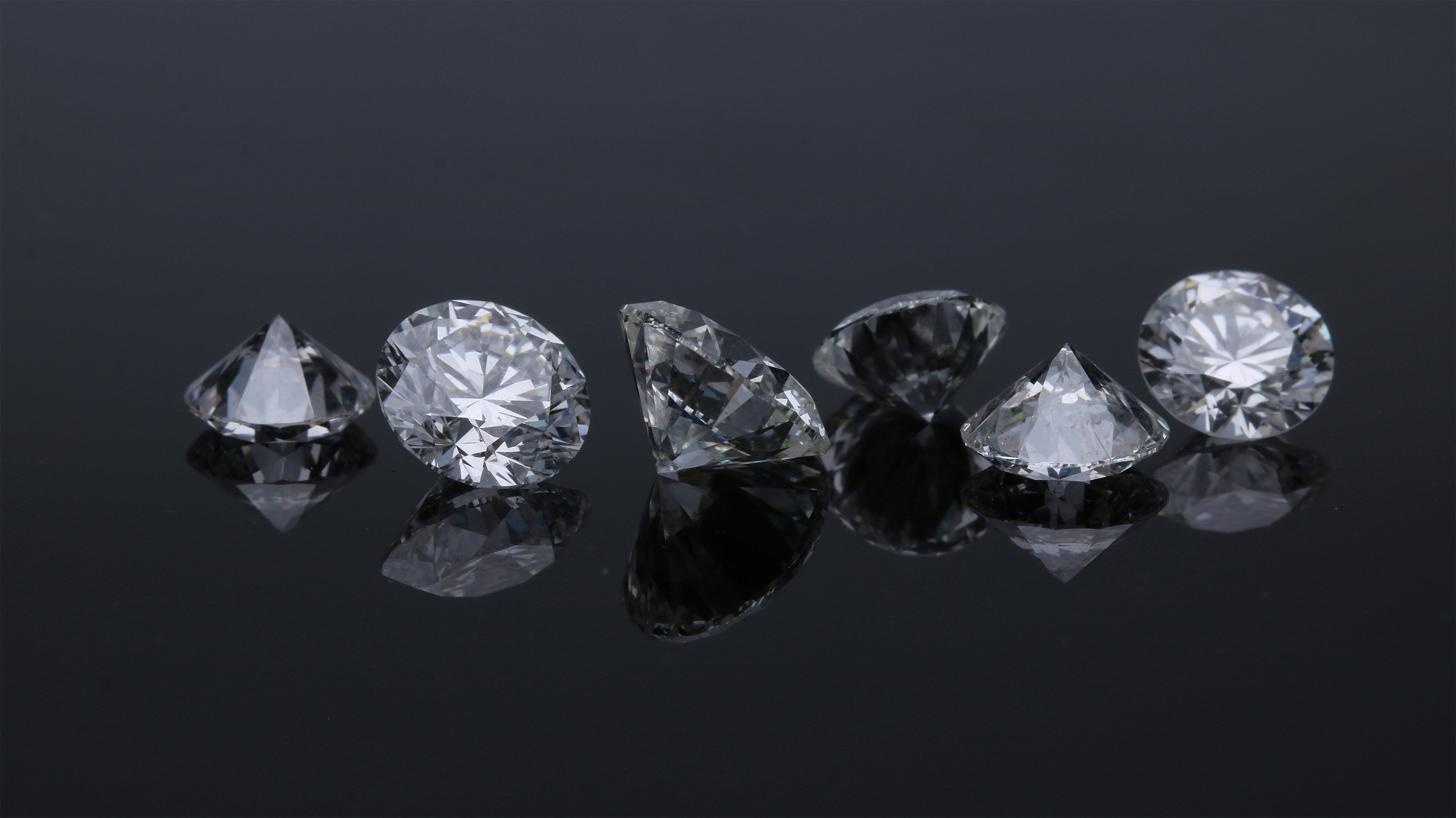
Diamonds are timeless symbols of elegance and refinement. But do you know what truly defines their value and beauty? This is where the 4Cs come in: Carat, Color, Clarity, and Cut.
In this detailed guide, we explain how to choose the perfect diamond based on these criteria, and what influences its brilliance and price.
Carat
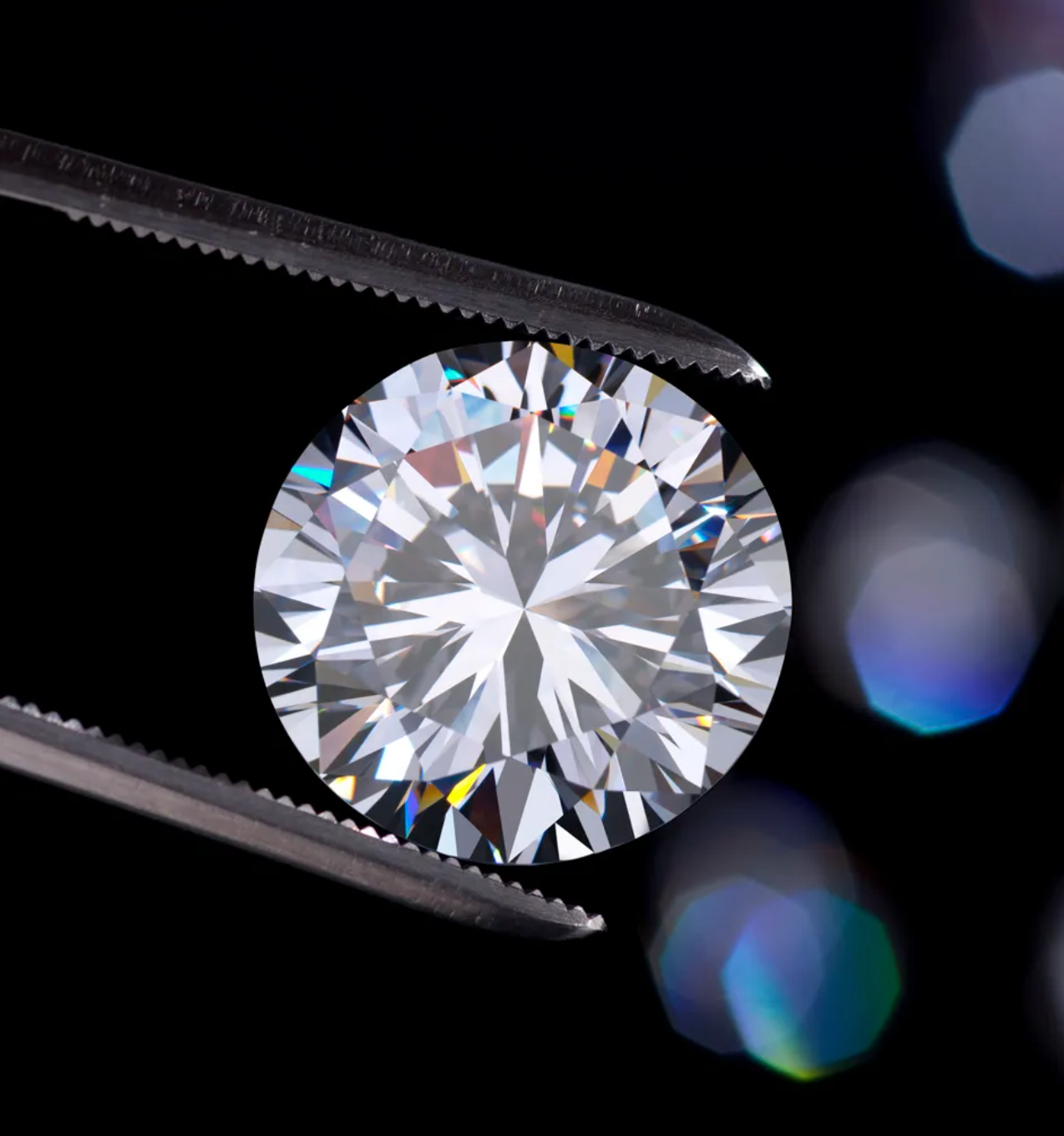
Carat is the unit of measurement for a diamond’s weight. One carat (1 ct) is equal to 0.2 grams. The heavier a diamond is, the rarer it becomes and therefore the more valuable it is.
However, two diamonds with the same carat weight can look very different depending on their size, proportions, and overall cut.
Color
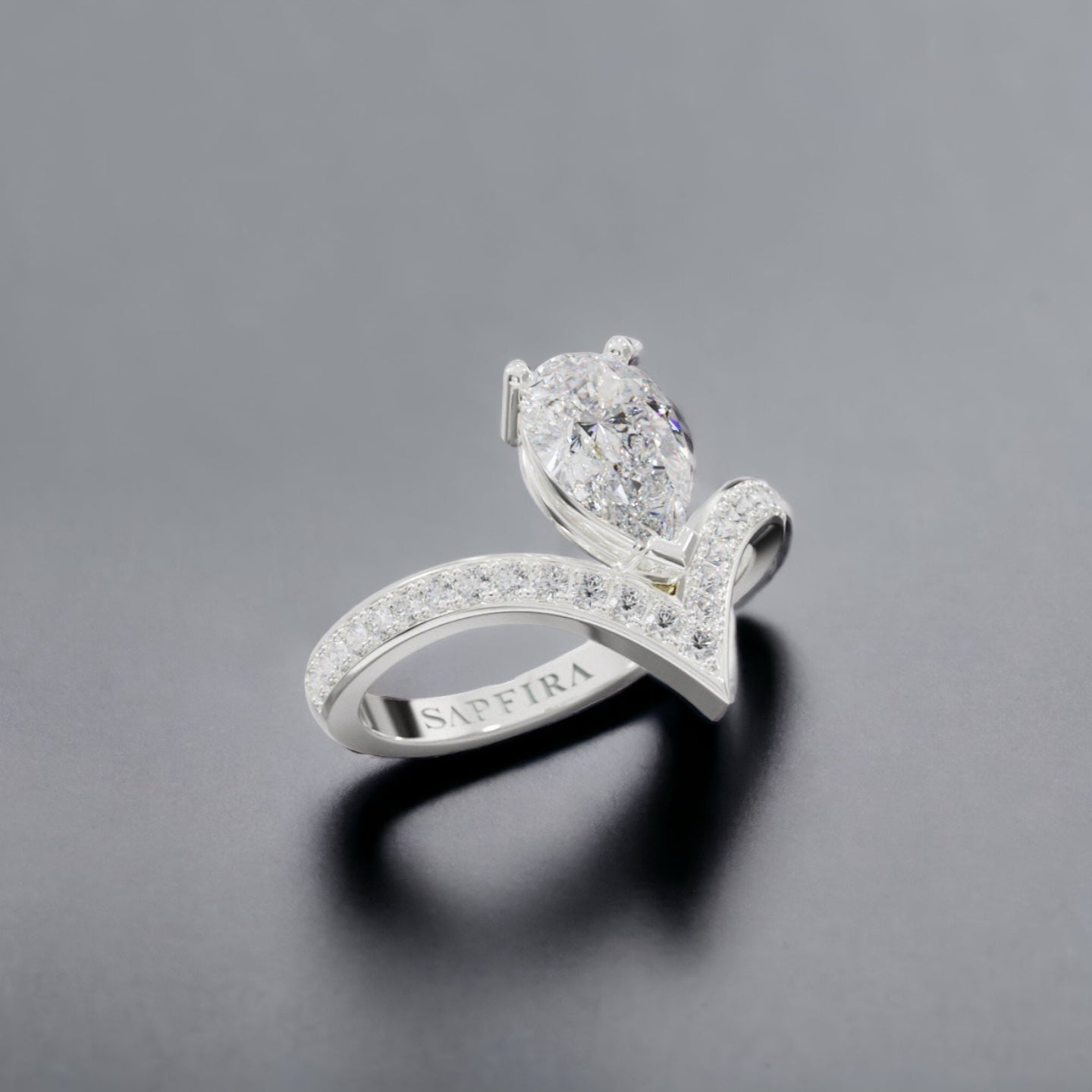
Diamonds are graded from D (colorless) to Z (light yellow tint).
D–F: Completely colorless, extremely rare and highly valuable.
G–J: Near colorless, offering an excellent balance between quality and value.
K–Z: Noticeable color tones to the naked eye, generally more affordable.
Clarity
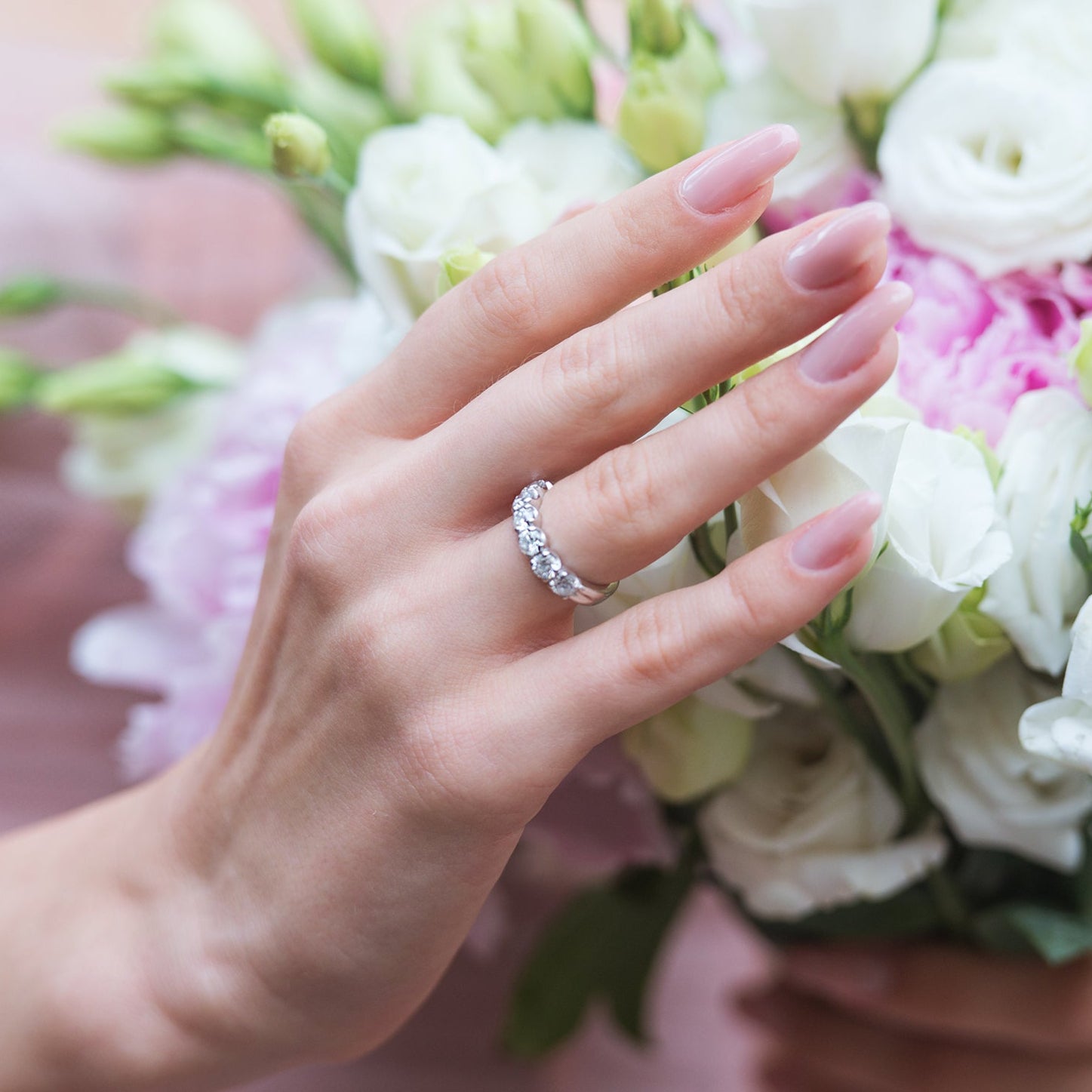
Inclusions are natural imperfections found within a diamond.
FL (Flawless): No imperfections, extremely rare.
IF (Internally Flawless): No internal inclusions.
VVS1–VVS2: Very, very small inclusions, invisible to the naked eye.
VS1–VS2: Small inclusions that are only slightly visible under magnification.
SI1–SI2: Inclusions visible under magnification and sometimes to the naked eye.
I1–I3: Visible inclusions that may affect the stone’s durability and appearance.
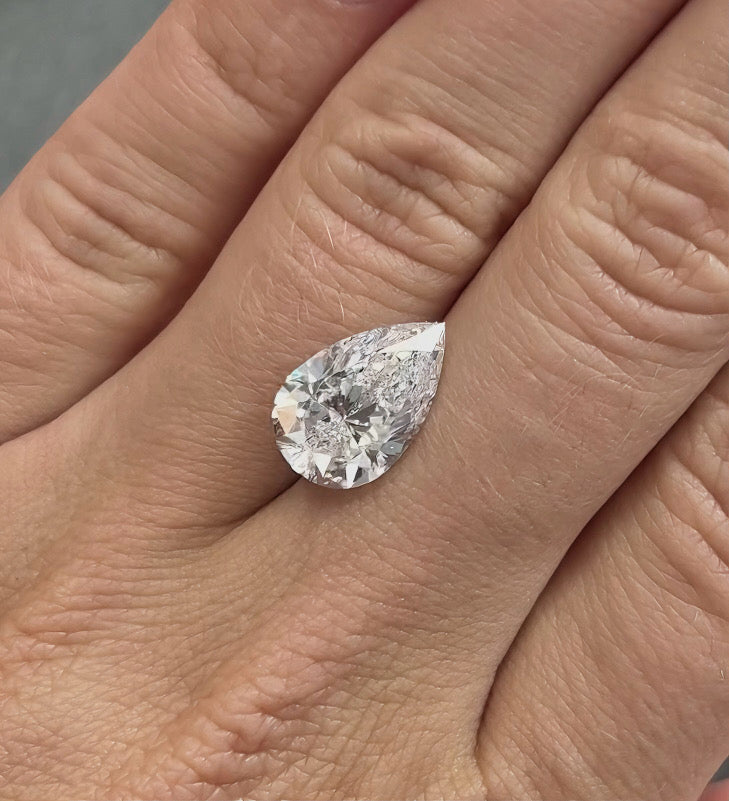
Cut
Cut is the most important factor in a diamond’s brilliance. It determines how light is reflected within the stone.
Ideal proportions for maximum brilliance:
An “Excellent” or “Very Good” cut ensures optimal light reflection and sparkle.
A poorly proportioned cut (too deep or too shallow) reduces brilliance and overall visual performance.
FAQ
Is a 1-carat diamond considered large?
A 1-carat diamond can appear very different in size depending on its cut, proportions, and how it is set. The same stone may look more prominent on a smaller finger size, such as 50, and more subtle on a larger finger, such as 60. Visual impact is therefore influenced not only by the carat weight, but also by proportions and context.
Should I buy a colorless diamond?
Not necessarily. G–H–I color diamonds appear colorless to the naked eye in most settings and offer a more accessible price point compared to higher color grades. The difference is often only visible under controlled lighting or when compared side by side with higher-grade stones. Choosing between them depends on your priorities: absolute rarity, or the best visual balance between beauty and value.
What does a GIA-certified diamond mean?
A GIA-certified diamond is a stone that has been graded by the Gemological Institute of America (GIA), one of the most respected and strictest gemological laboratories in the world. The certificate provides an independent assessment of the diamond’s key characteristics, including the 4Cs: Carat, Color, Clarity, and Cut.
This certification guarantees that the diamond has been evaluated using consistent and internationally recognized standards, ensuring transparency and reliability regarding its quality and characteristics.
